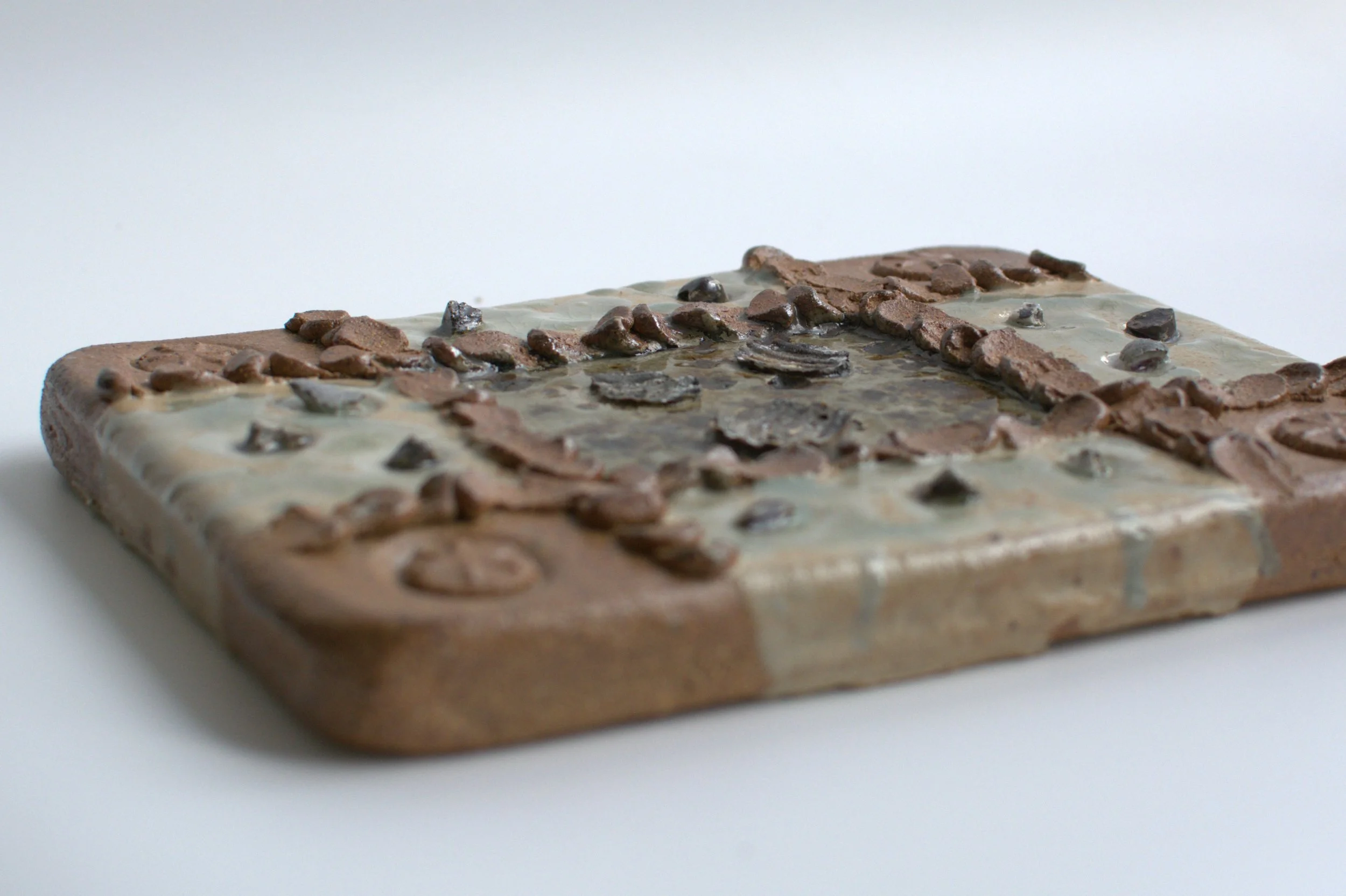
Portable Altars
Portable altars from antiquity have informed this work, particularly those of the medieval period. These were small, ornate portable devotional tablets made from metal, wood and stone. They carried fragments of saintly relics for those who were sick or elderly and unable to undertake pilgrimages.
My contemporary response to this idea reinterprets the portable altar as a vessel for connection and reflection. Rather than containing saintly relics, these works incorporate elements of the natural world as sacred fragments. The approach draws on ritual traditions and the relationship between nature and devotion, considering how objects hold meaning through material presence and use.
The pieces incorporate wood ash glazes, rock and clay inclusions, and found materials, echoing the wood and stone construction of medieval examples. In doing so, the work seeks to offer a quiet, contemplative connection to nature for those who may find it difficult to engage with the natural world
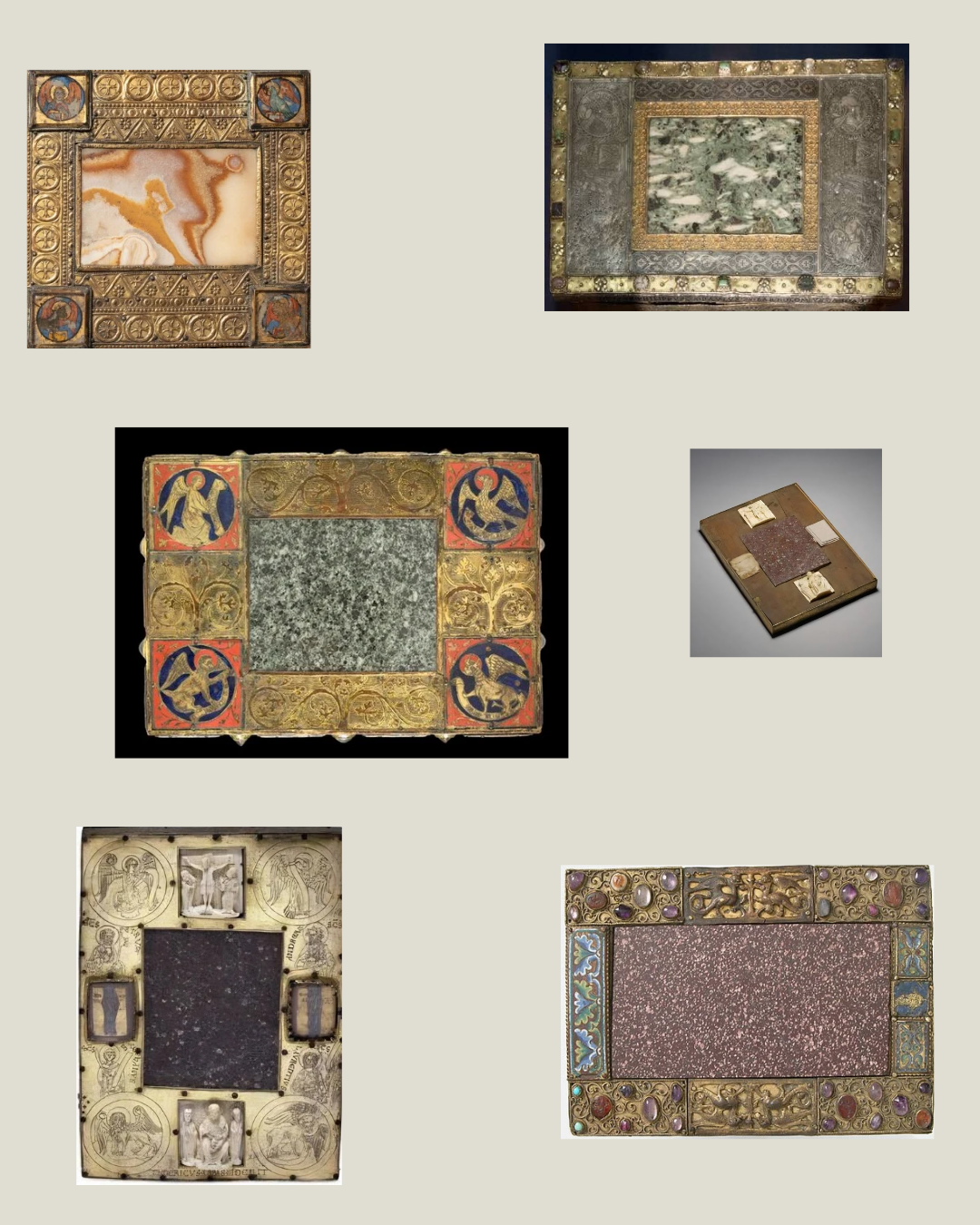
Examples of medieval portable altars
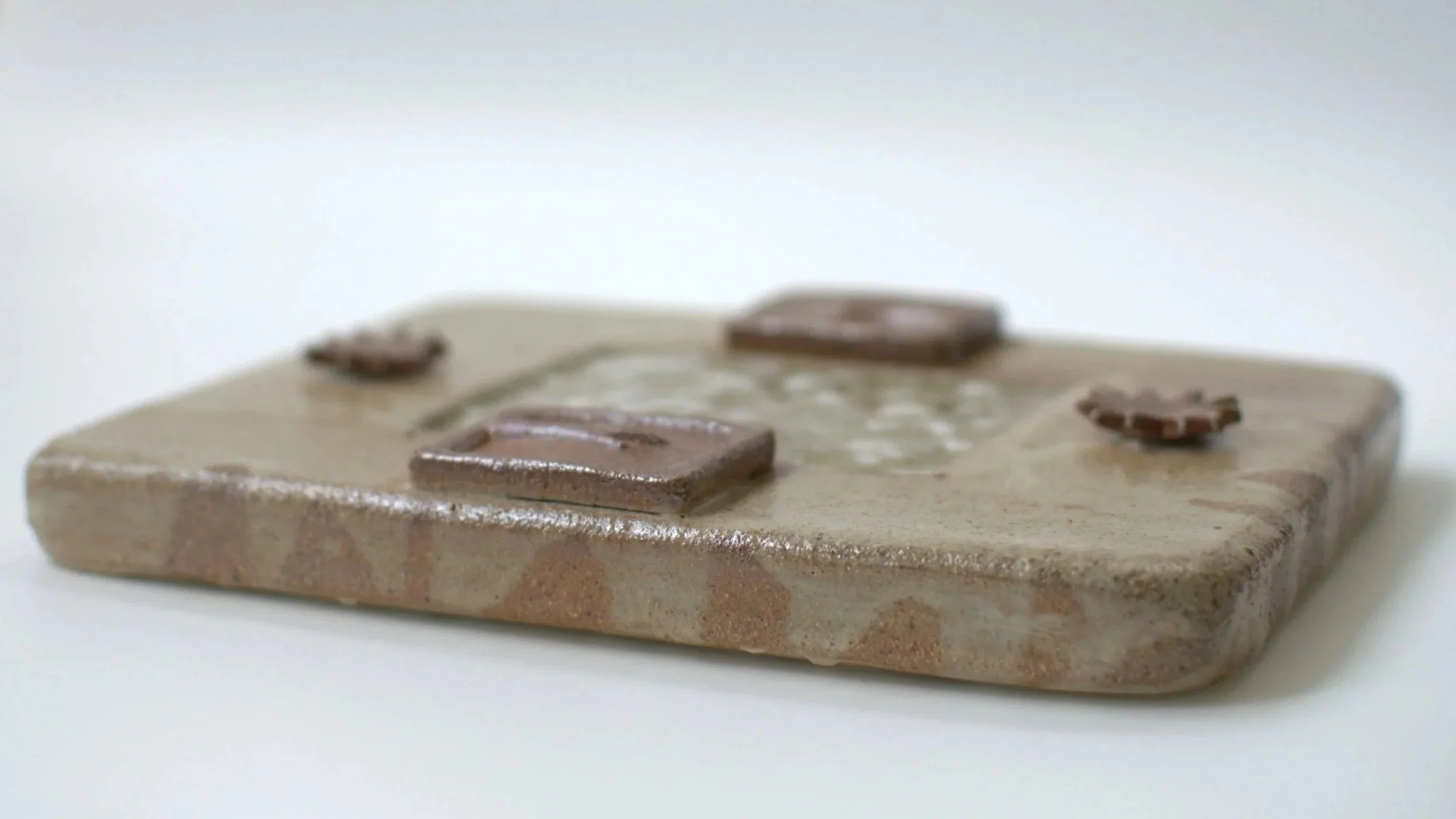
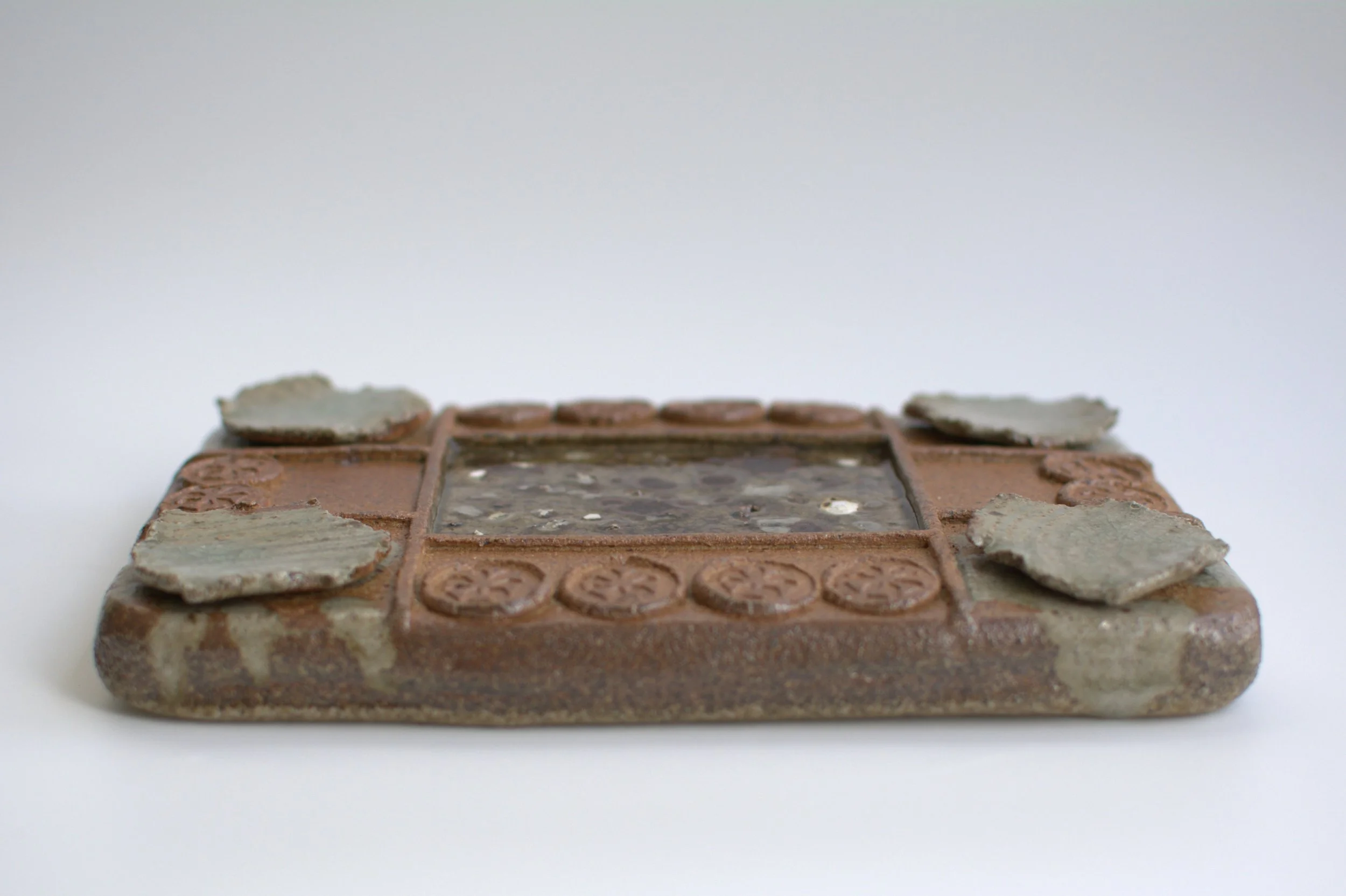
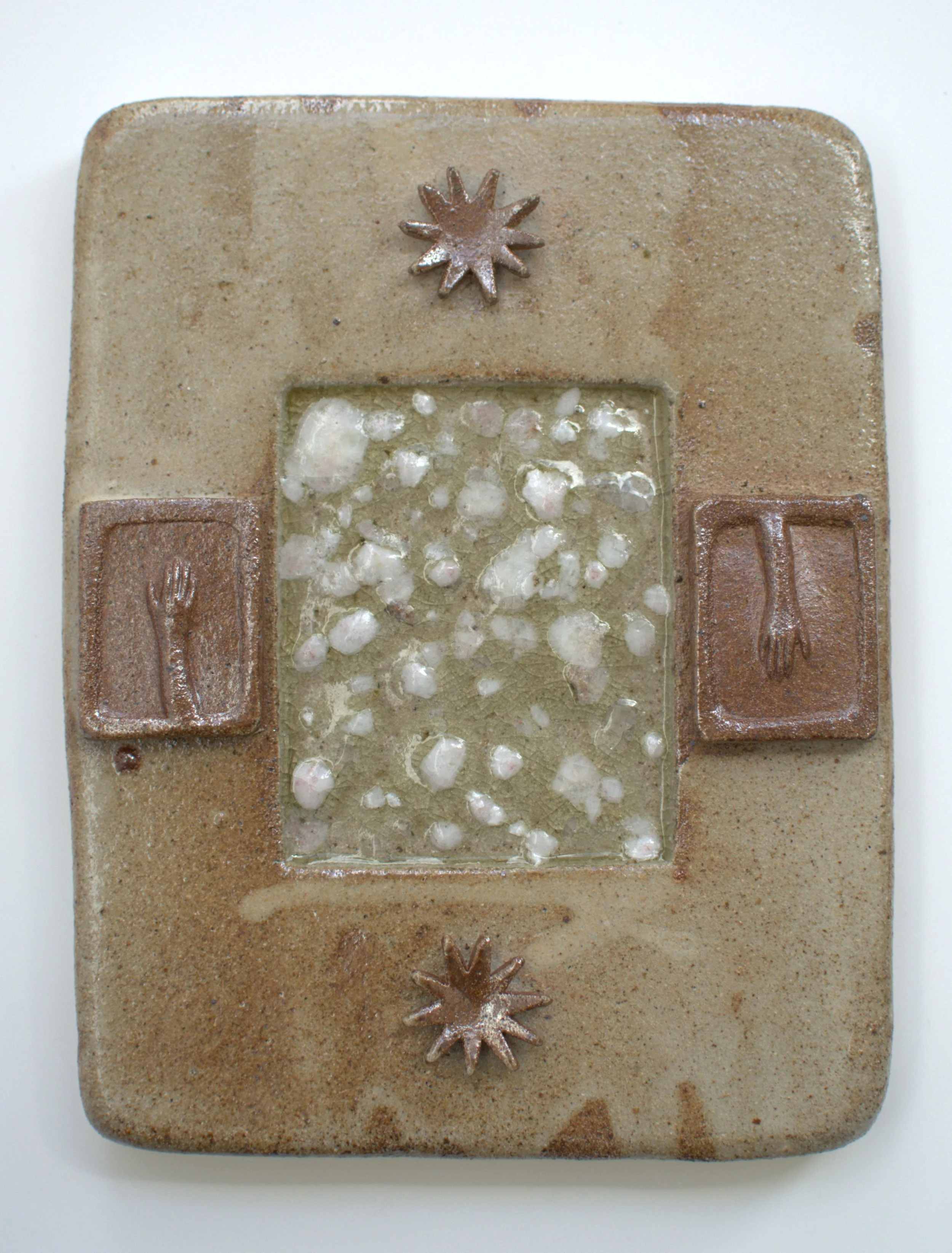
Portable Altar I
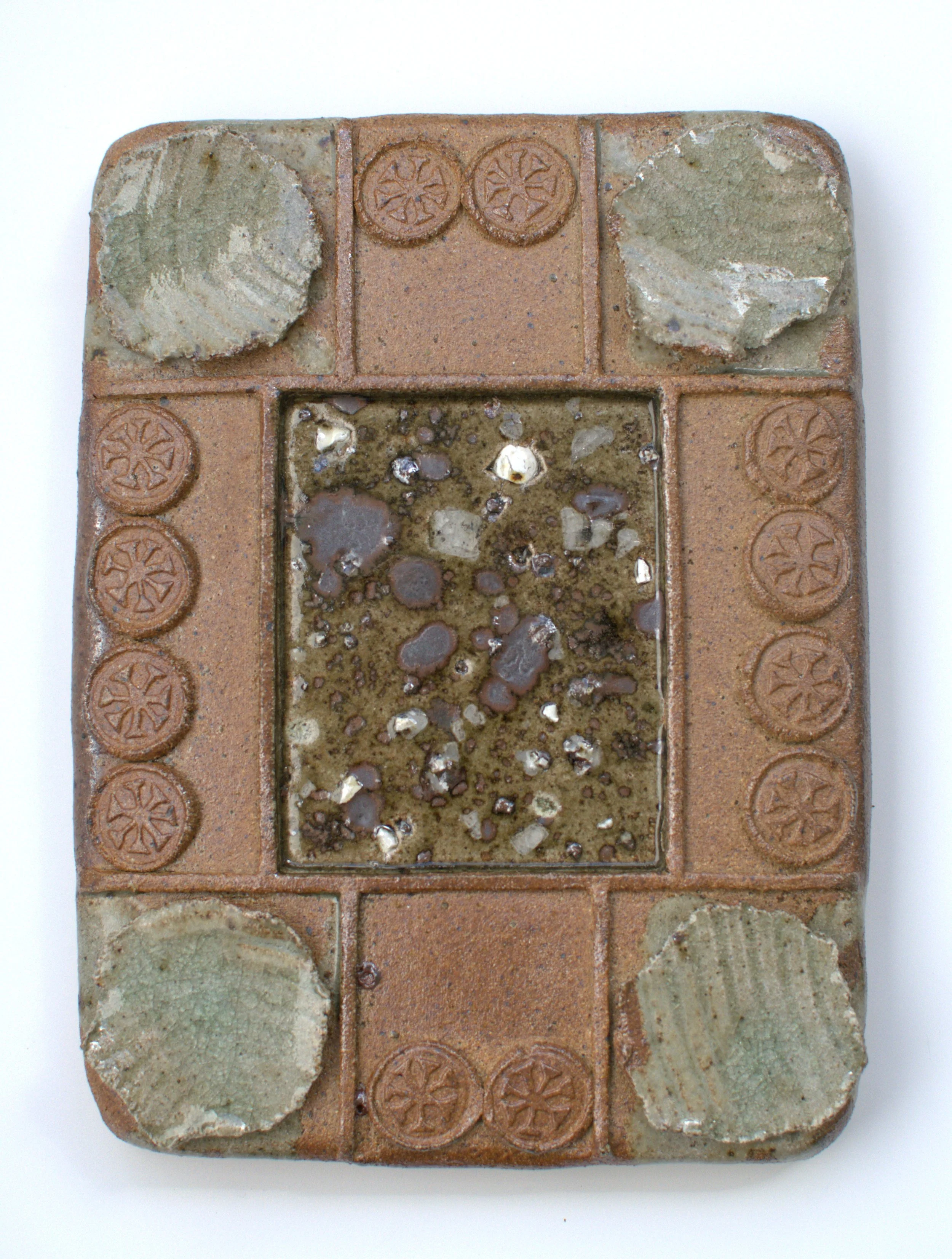
Portable Altar II
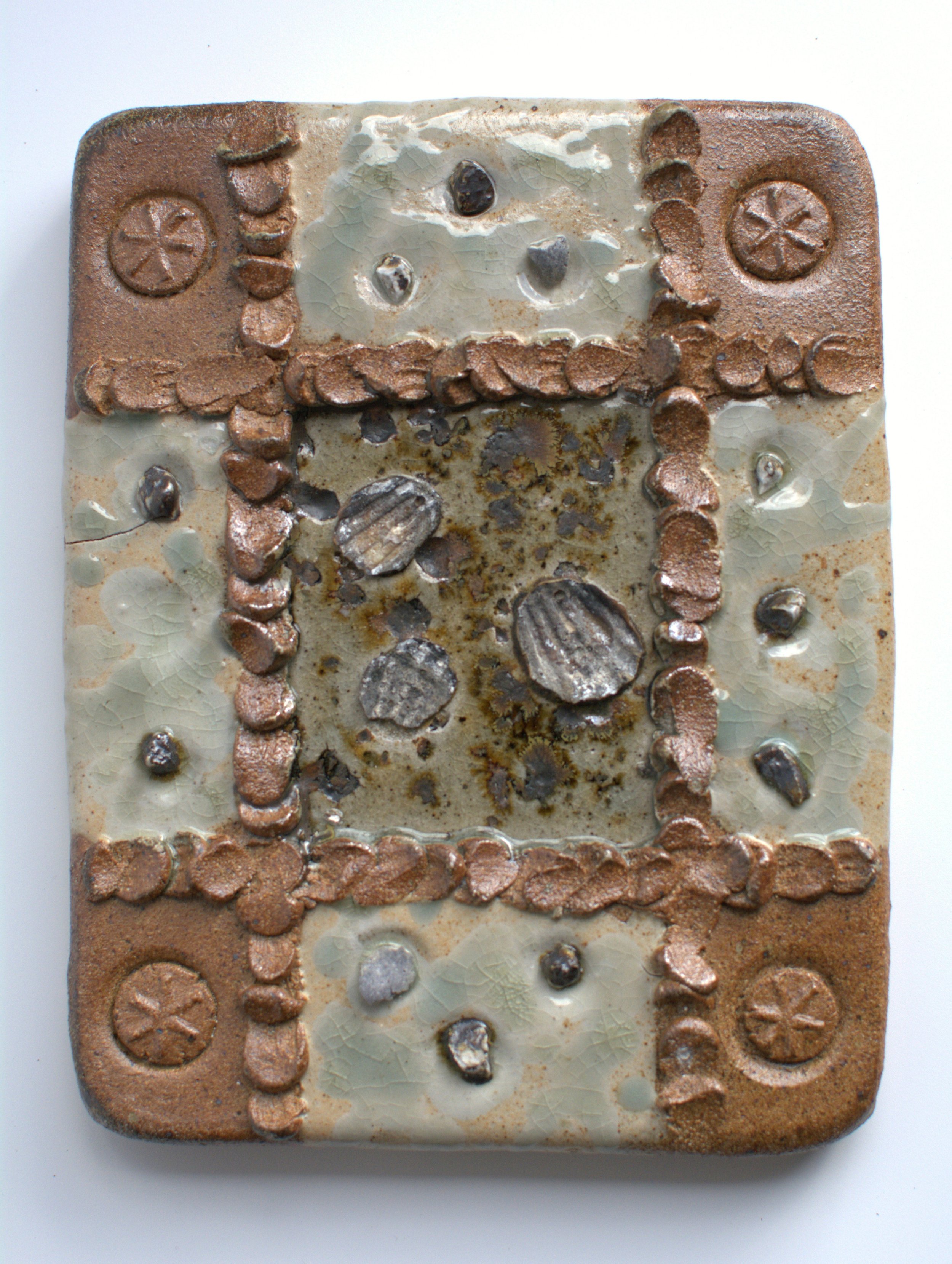
Portable Altar III
Portable Altar I (2026): stoneware clay, silver birch and oak ash glazes, plagioclase feldspar, orthoclase feldspar, pegmatite; 9 × 7 inches
Portable Altar II (2026): stoneware clay, mixed wood and lime ash glazes, orthoclase feldspar, Dartmoor granite, Cotswold limestone, Wiltshire chalk, Cornish schist, Exmoor slate, Bristol dug clay, house brick inclusions; 9 × 7 inches
Portable Altar III (2026): stoneware clay, beech and oak ash glazes, schist, assorted Cornish beach pebbles, shell scars; 9 × 7 inches